Guides · Cedar Key, Florida
Why Cedar Key Is Where It Is
The town of Cedar Key is not a place that grew up despite its geography; it is a place that grew up because of it, and the wood that built it is the reason it is still here at all.
The Island That Named the Place
Before there was a town, there was a tree. Atsena Otie Key — the Creek name for cedar island — gave the whole cluster of keys its name, and that one tree determined everything that followed. The red cedar that grew thick along these shores was not ornamental. It was soft, straight-grained, and fragrant, and it sharpened to a point without splintering. That made it the best pencil wood in the world.
In 1843, Augustus Steele bought the military structures on Atsena Otie Key for $227, along with title to its 167 acres. That purchase made the island the nucleus of the first organised settlement in the Cedar Keys. The town did not start on the mainland, or on the larger Way Key where the modern city sits. It started on the island, on high ground, with the cedar standing all around.
The Mills That Made It
Cedar milling was the making of the town. The Eberhard Faber mill, set up in 1865, cut red cedar slats for pencils, and by 1886 the 17 sawmills at Cedar Key were turning out nearly half a million board feet a week. That is not a small operation. That is an industrial port town built on a commodity that the whole literate world needed.
Cedar Key supplied the wood the world wrote with. Both the Eberhard Faber mill and the Eagle Pencil Company cut pencil slats here until the 1896 hurricane and fire damaged both so badly that they closed soon after. The Eagle Pencil Company site on Way Key at 3rd and G Streets made cedar slats and pencil boxes. That site is still part of the town's grid, a reminder that the streets you walk were laid out around pencil factories, not beachfront condos.
What the Storm Left
The 1896 storm surge — locals still call it the tidal wave — did not erase the settlement. More than thirty-five houses on the high ground of Atsena Otie Key survived the surge. The island was the first settled, and it held. The mills did not. The factories closed, the industry left, and the town shrank into what it is now: a small, quiet place of 756 people.
The census numbers tell the story plainly. There are 819 total housing units in Cedar Key, and 450 of them are vacant. That is more than half. Of the occupied homes, 269 are held for seasonal or recreational use. So the permanent population is small, and the town turns over with the seasons. The median age is 68.4 years. This is not a boomtown. This is a place that had its boom, lost it, and settled into a long, particular afterglow.
The Shape of the Town Now
The numbers also show a town that is not poor, exactly, but not wealthy in the way you might expect. Median household income is $69,226. Median home value is $331,100. Median gross rent is $918. Nearly half the residents — 49.7 percent — hold a bachelor's degree or higher. The unemployment rate is 4.2 percent. So the people who live here year-round tend to be educated, older, and comfortable enough. They are not here for the jobs. They are here because the place itself is the point.
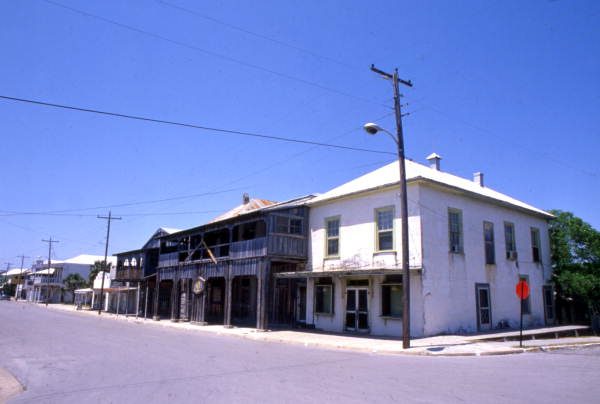
The town is smaller than its history. That is the truth of it. Seventeen sawmills, half a million board feet a week, and then one storm. What remains is a fishing village with a deep-water history, a place where the streets still follow the old factory lines and the island where it all began sits just offshore, mostly empty.
The One Day the Island Opens
Once a year, the town remembers its archipelago. The Cedar Key Seafood Festival, run by the Lions Club each October, brings more than 100 arts and crafts exhibits, live music, and a Saturday parade at 11am. It is also the rare chance to reach Seahorse Key, a historic island three miles out that is otherwise closed to the public. That is the only time most people will ever stand on that island, and it is worth noting that the festival is not just about food or crafts. It is about access to a piece of history that is usually locked away.
Cedar Key is where it is because the cedar was there first. The town did not choose the location; the location chose the town. The wood is gone, the mills are gone, and the population is a fraction of what it once was. But the reason for being here — the deep-water access, the island shelter, the high ground that survived the tidal wave — has not changed. The town is smaller than its history, but it is still here, and that is the whole point.
Every business named above is one we hold a listing for, and every date traces to a source on our sources page. We do not describe menus, interiors or service we have not verified. Details change — confirm before you travel.