Guides · Cedar Key, Florida
Cedar Key by the Numbers: What the Census Says
The census says 756 people live in Cedar Key. The housing stock says 819 units. That gap—between the living and the places built to hold them—is the whole story of this town.
The Shape of the Count
Cedar Key is smaller than its history. The numbers make that plain. Of those 819 housing units, 450 sit vacant. More than half. And of the total, 269 are held for seasonal or recreational use. The town is not empty so much as it is waiting—for the right weekend, the right tide, the right season.
The median age is 68.4 years. That is not a typo. This is a town where the census counts more than twice as many people over 65 as under 18. The workforce is thin. The unemployment rate is 4.2 percent, which sounds healthy until you realize how few people are even in the labor pool.
What the Money Says
Median household income is $69,226. That is respectable for a small Gulf coast town, but it does not go as far as it used to. The median home value is $331,100. The median gross rent is $918. There is a quiet arithmetic here: a house costs more than four years of rent, and a retired couple on Social Security is making choices the census does not record.
Nearly half the population—49.7 percent—holds a bachelor's degree or higher. That is a striking figure for a town of 756. It suggests a population that came here by choice, not by accident. People who read the history before they bought the lot.
The Weight of the Past
You cannot read these numbers without remembering what built this place. In 1843, Augustus Steele bought the military structures on Atsena Otie Key for $227, along with title to its 167 acres. That island—whose name means cedar island in the Creek language—became the nucleus of the first organized settlement in the Cedar Keys. The cedar that gave the keys their name gave the town its purpose.
The milling came fast. By 1865, the first big pencil mill was cutting red cedar slats. By 1886, seventeen sawmills at Cedar Key were turning out nearly half a million board feet a week. This was not a quaint fishing village. This was an industrial port supplying the world with the wood it wrote with. The pencil slats cut here went into classrooms and offices across the globe.
Then came the 1896 hurricane. The storm surge—what locals still call the tidal wave—hit Atsena Otie Key hard. More than thirty-five houses on the high ground survived, but the mills did not. The two major pencil operations were damaged so badly that they closed soon after. The industry did not rebuild. The town did not either, not in the same way.
The Island That Remains
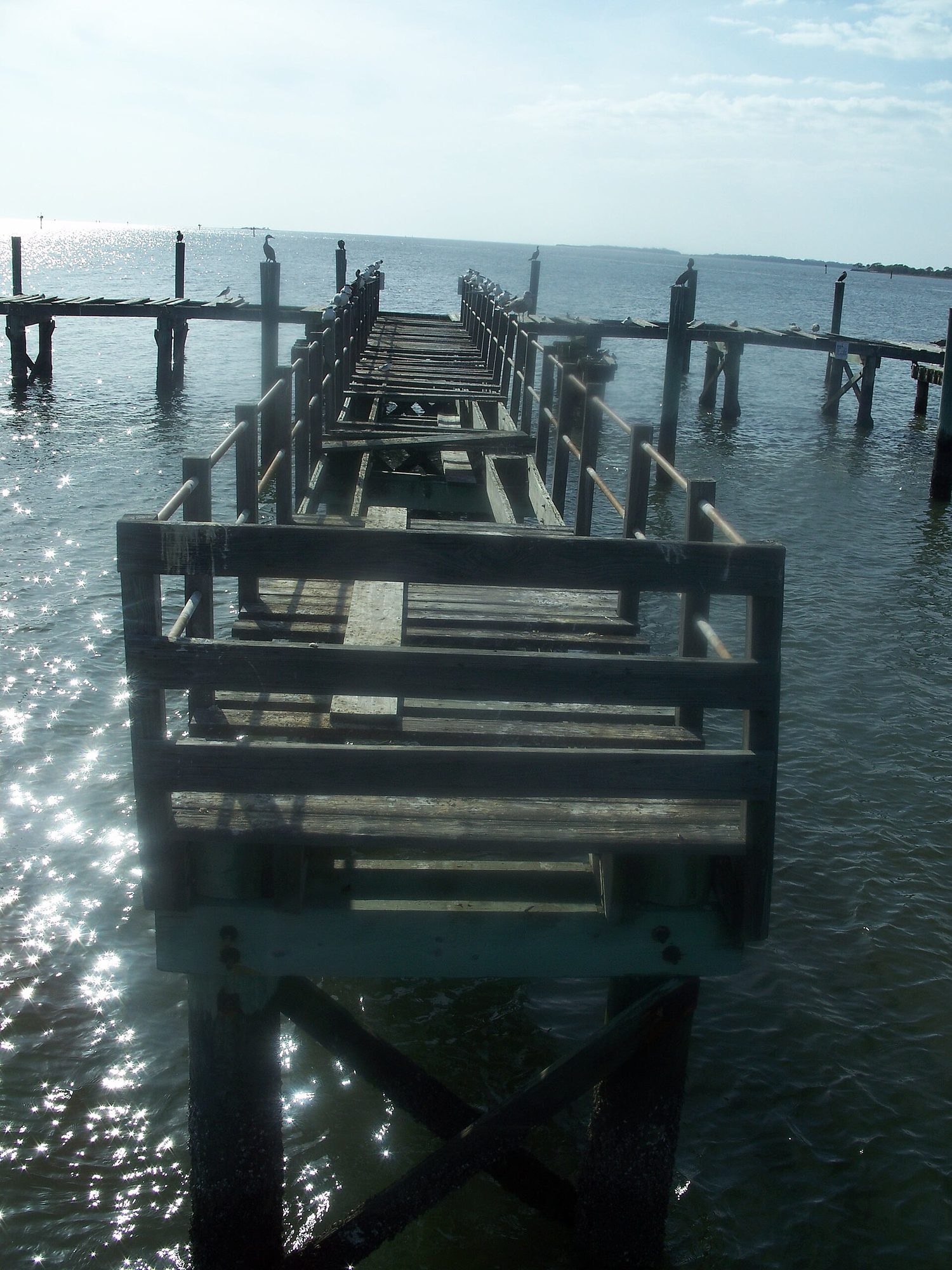
Atsena Otie Key is still there. The high ground that held those thirty-five houses is still high. The island is now largely undeveloped, a place you reach by boat. The old mill site on Way Key, at 3rd and G Streets, is just a corner now. The cedar slats are gone. The pencil boxes are gone. What remains is the shape of the streets and the memory of the saws.
The census does not measure memory. It counts units and incomes and ages. It tells you that 450 homes are vacant and that the median resident is nearly seventy years old. It does not tell you that those vacant homes are filled with the weight of a town that once shipped half a million board feet a week.
The Living Town
There is still a calendar here. Each October, the Seafood Festival draws crowds that dwarf the permanent population. More than a hundred arts and crafts exhibits line the streets. There is live music and a Saturday parade at 11 a.m. It is also the rare chance to reach Seahorse Key, a historic island three miles offshore that is otherwise closed to the public. For one weekend, the town becomes what it once was: a destination, a place people travel to.
The census will not capture that weekend. It will count the same 756 people, the same 819 units, the same 450 vacancies. But the festival is the tell. It is proof that the town knows what it has—the water, the islands, the history—and that it will not let the numbers define it entirely.
Cedar Key is smaller than its history. That is the fact of it. The census confirms it. But the numbers also show a town that has learned to live with the gap. The retirees with degrees, the seasonal homes, the empty streets in the off-season—these are not signs of decline. They are the shape of survival. The sawmills are gone. The cedar is gone. But the town remains, smaller, older, and still here.
Every business named above is one we hold a listing for, and every date traces to a source on our sources page. We do not describe menus, interiors or service we have not verified. Details change — confirm before you travel.