Guides · Cedar Key, Florida
What People Get Wrong About Cedar Key
Cedar Key is not a beach town with a history problem. It is a timber town whose geography, economy, and sense of itself were set by the cedar slat—and the storm that ended the cutting.
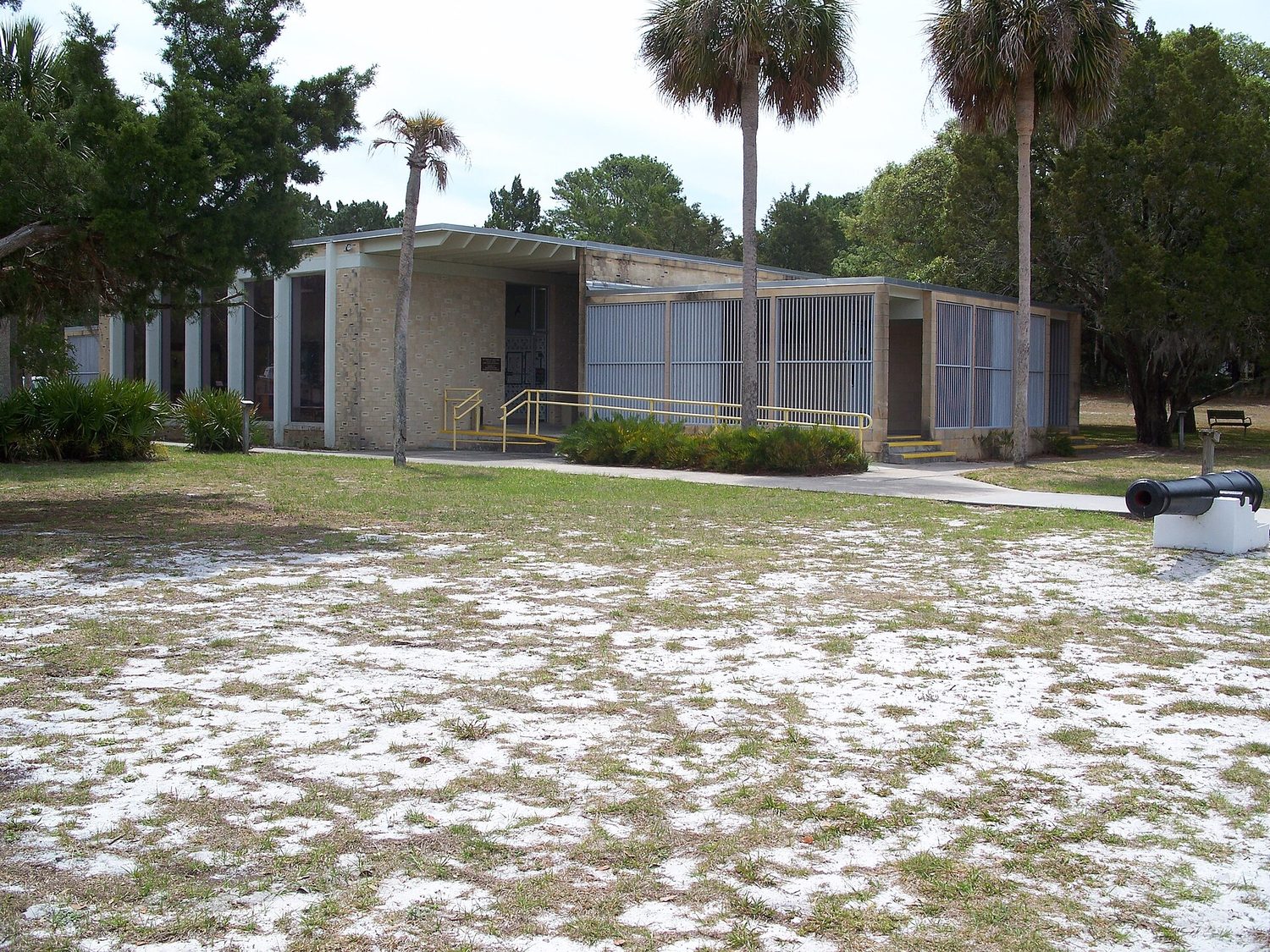
Why It's Called Cedar Key
Ask why an island chain is called Cedar Key and the answer is not the land but the tree. Atsena Otie Key, the island that became the nucleus of the first organised settlement in the Cedar Keys, carries a Creek name that means "cedar island." Augustus Steele bought the military structures there in 1843 for $227, along with title to its 167 acres. The settlement that followed took its name from the tree that grew in stands across the keys. The town is named for the resource that made it, not for the sand at its edge.
How Cedar Key's Pencil Mills Shaped the World
The cedar milling was the making of the place. The Eberhard Faber mill set up in 1865 to cut red cedar slats for pencils. By 1886 the seventeen sawmills at Cedar Key were turning out nearly half a million board feet a week. The Eagle Pencil Company worked its own site on Way Key at 3rd and G Streets, cutting slats and pencil boxes. This was not a local craft; it was the wood the world wrote with. Pencils manufactured in distant cities began as red cedar cut here, shipped out on the rails and schooners that made the port a boomtown.
The 1896 Tidal Wave That Ended Cedar Key's Mill Era
The 1896 hurricane and fire damaged both the Eberhard Faber mill and the Eagle Pencil Company so badly that they closed soon after. Locals still call that storm surge "the tidal wave." The distinction matters: the water, not the wind, is what they remember. The storm did not just wreck buildings; it ended the industrial reason for the town to exist. A port built to move timber stopped moving timber, and Cedar Key began its long turn from a working industrial hub into something quieter.
Atsena Otie Key: The Island That Survived the Storm
Atsena Otie Key is where the difference shows. More than thirty-five houses on the high ground survived the 1896 surge, and the island kept its residential character. The industrial sites on Way Key, like the Eagle Pencil location at 3rd and G Streets, did not rebuild. The storm reshaped the map of persistence: the homes on the high ground lasted, the mills did not. You can still see which parts of town the tidal wave allowed to continue, and which it simply erased.
Cedar Key Today: Small Town, Big History
The census tells the scale plainly. Cedar Key holds 756 people, with 819 total housing units. Of those, 450 are vacant, and 269 are held for seasonal or recreational use. The median age is 68.4 years. The past looms larger than the present population. A place that once fed half a million board feet a week into the world now has more empty houses than full-time families. The median home value sits at $331,100 and median gross rent at $918, with a median household income of $69,226 and an unemployment rate of 4.2 percent. Nearly half the residents, 49.7 percent, hold a bachelor's degree or higher. This is not a town that failed; it is a town that outlived its original industry and now lives alongside its own ruins.
| Then (1886) | Now (Census) |
|---|---|
| 17 sawmills operating | 756 residents |
| ~500,000 board feet of cedar per week | 819 housing units |
| Two major pencil mills (Eberhard Faber, Eagle Pencil) | 450 vacant housing units |
| Industrial port shipping slats worldwide | 269 seasonal or recreational homes |
| Cedar slats for pencils | 68.4 median age |
The Seafood Festival: Your Chance to Visit Seahorse Key
The Cedar Key Seafood Festival, run by the Lions Club each October, offers more than a hundred arts and crafts exhibits, live music, a Saturday parade at 11am, and the usual oysters, clam chowder, and smoked mullet dip. It is also the rare chance to reach Seahorse Key, a historic island three miles out that is otherwise closed to the public. The festival is a modern echo of a town built on harvesting both the sea and the forest—only the forest harvest is gone, and the sea remains.
Is Cedar Key worth visiting today? Yes, but for what it is now: a small, older town where the water still works, the festival still draws a crowd, and the history is not a plaque on a beachfront condo but the reason the town exists at all. The answer to why it is called Cedar Key is the same as the answer to what made it important: the cedar, the slats, the pencils, and the tidal wave that ended it all.
Common questions
- What happened to the pencil mills on Cedar Key?
- The Eberhard Faber mill, set up in 1865, and the Eagle Pencil Company both cut cedar slats here. The 1896 hurricane and fire damaged both so badly they closed soon after. That storm ended the era of 17 sawmills producing nearly half a million board feet weekly.
- Is Atsena Otie Key the same as Cedar Key?
- No. Atsena Otie Key is a separate island, the first settled in the Cedar Keys, bought by Augustus Steele in 1843. It means 'cedar island' in Creek. More than 35 houses on its high ground survived the 1896 storm surge locals call the tidal wave.
- Can I visit Seahorse Key?
- Usually no—it's closed to the public. But during the Cedar Key Seafood Festival each October, you can reach it. That festival, run by the Lions Club, also has arts and crafts, live music, a Saturday parade at 11am, and clam chowder, oysters, and smoked mullet dip.
- How big is Cedar Key today?
- Small. The census counted 756 people, with a median age of 68.4. Of 819 housing units, 450 are vacant, and 269 are for seasonal or recreational use. It's a fraction of its milling-era size—the town is smaller than its history.
- What's the economy like now?
- Unemployment is 4.2 percent, and median household income is $69,226. Median home value is $331,100, with median gross rent at $918. Nearly half of residents—49.7 percent—hold a bachelor's degree or higher, reflecting a shift from industry to a quieter, educated population.
- Where exactly was the Eagle Pencil Company?
- On Way Key, at 3rd and G Streets. There, workers made cedar slats and pencil boxes. The site is part of the story of how Cedar Key supplied the wood the world wrote with, until the 1896 storm ended it.
Every business named above is one we hold a listing for, and every date traces to a source on our sources page. We do not describe menus, interiors or service we have not verified. Details change — confirm before you travel.