Guides · Cedar Key, Florida
Cedar Key's Pencil Mill History: The 1896 Storm
Cedar Key’s present is a fraction of its industrial past. The quiet scale is the direct result of the 1896 storm that ended the cedar pencil trade.
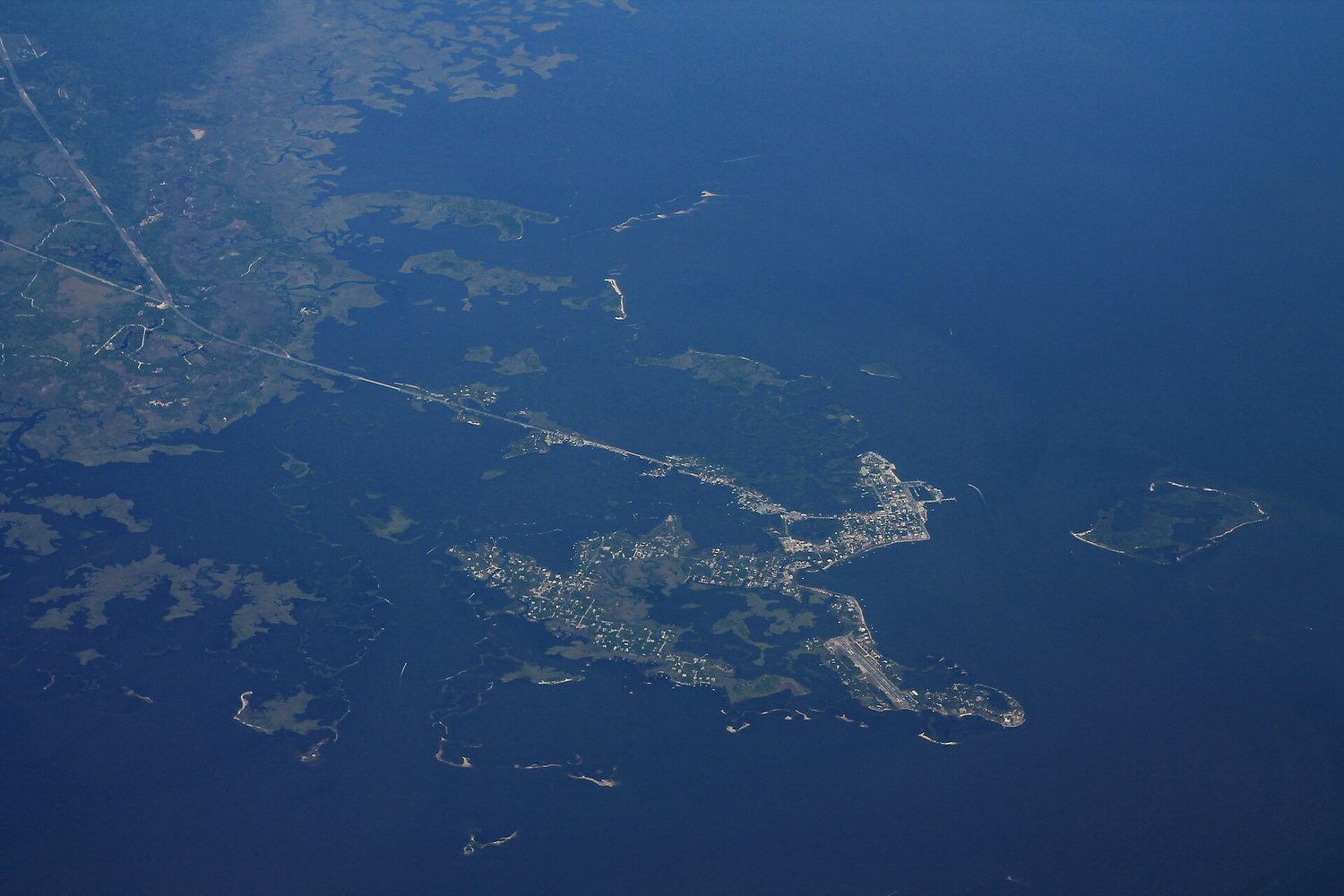
A Cedar Island, Named for Its Trees
Augustus Steele bought the military structures on Atsena Otie Key in 1843 for $227, along with title to its 167 acres. The island became the nucleus of the first organised settlement in the Cedar Keys. The name matters: Atsena Otie means cedar island in the Creek language — the cedar that gave the whole group of keys its name. Before the mills, before the railroad, before the storm, the tree itself was the reason anyone stayed. Steele’s purchase was not a land speculation so much as a claim on a forest that happened to sit on the water.
The island’s high ground is where the first houses went up, and it is where the industry would eventually be built and then destroyed. But in 1843, the cedar was simply there — dense, straight-grained, and, as it turned out, perfect for something the world had not yet begun to demand in bulk.
The Mills That Fed the World’s Pencils
Cedar milling was the making of the town. The Eberhard Faber mill, set up in 1865, cut red cedar slats for pencils. By 1886 the 17 sawmills at Cedar Key were turning out nearly half a million board feet a week. That number is worth sitting with: half a million board feet, every week, from a cluster of keys that today holds 756 people. The mills did not just process local timber; they received logs floated in from the mainland and cut them into the thin, straight slats that pencil factories in the Northeast and Europe would shape, groove, and glue into finished products.
Cedar Key supplied the wood the world wrote with: both the Eberhard Faber mill and the Eagle Pencil Company cut pencil slats here until the 1896 hurricane and fire damaged both so badly that they closed soon after. The operation was industrial in scale but narrow in purpose — red cedar for pencils, not lumber for houses or ships. That single-minded focus made the town wealthy and then made it vulnerable.
The 1896 Storm That Erased an Industry
The 1896 hurricane did not just damage the mills; it ended the reason the town existed. The storm surge — which locals still call the tidal wave — swept over the keys, and the fire that followed finished what the water had started. The Eberhard Faber and Eagle Pencil Company mills were damaged so badly that both closed soon after. The industry did not rebuild; it relocated. The cedar had been largely cut, and the machinery was not worth salvaging.
But not everything was lost. On Atsena Otie Key, the island first settled, more than thirty-five houses on the high ground survived the 1896 storm surge. The houses stood because they were built on the island’s ridge, above the reach of the water. The mills, built lower and closer to the shoreline, did not. That distinction — high ground versus low — determined what survived and what vanished.
What Remains on the Ground Today
The Eagle Pencil Company site on Way Key at 3rd and G Streets, where cedar slats and pencil boxes were made, is the most accessible remnant of the industry. But “accessible” does not mean “interpreted.” There is no sign, no plaque, no visitor centre marking the spot. It is a location where a building once stood, and the building is gone.
On Atsena Otie Key, the ruins of the Faber mill and a cemetery remain, reachable only by boat. The island is not developed, and the ruins are not maintained. They are simply there — foundations, scattered stone, and the outline of an operation that once fed a global market.
Cedar Key Today: A Quiet Town After the Mills
The census numbers tell the story of a town that has not recovered its former scale. The population is 756 people. Total housing units number 819, but 450 of those are vacant. Of the occupied units, 269 are held for seasonal or recreational use. The median age is 68.4 years. The median home value is $331,100, and the median gross rent is $918. The unemployment rate is 4.2 percent, and the median household income is $69,226. Nearly half the adult population — 49.7 percent — holds a bachelor’s degree or higher.
| Then (1880s–1896) | Now (Census) |
|---|---|
| 17 sawmills operating | 0 pencil mills operating |
| Half a million board feet weekly | 269 seasonal housing units |
| Industrial port town | 756 residents |
| Mills employing hundreds | 450 vacant housing units |
| Cedar slats shipped worldwide | 68.4 median age |
The town is smaller than its history. The housing stock — 819 units for 756 people — suggests a place built for a larger population. But the 450 vacant units are not empty because people left recently. They are empty because the economy that filled them is gone, and the town has settled into a different rhythm: retirement, fishing, and tourism, not manufacturing.
One Day a Year, the Island Opens Again
The Cedar Key Seafood Festival, run by the Lions Club each October, is the town’s largest annual gathering. It features more than 100 arts and crafts exhibits, live music, a Saturday parade at 11am, and food — clam chowder, oysters, and smoked mullet dip. But the festival’s most distinctive offering is access: it is the rare chance to reach Seahorse Key, a historic island three miles out that is otherwise closed to the public.
Seahorse Key is not a pencil mill site; it was a lighthouse island and later a biological research station. But it is part of the same maritime geography that made Cedar Key possible — a key with a lighthouse, guiding ships through the same waters that carried cedar slats out and supplies in. The festival connects the town’s present to its island past, even if the connection is now recreational rather than industrial.
The industry that built Cedar Key is gone, and the town has not replaced it. But the scale of the place — small, quiet, and half-empty — is not a failure. It is the direct result of a storm that ended a trade, and the town has simply found a different way to exist.
Common questions
- What made Cedar Key important historically?
- Cedar Key was the heart of the pencil industry. Seventeen sawmills cut red cedar slats, producing nearly half a million board feet a week by 1886. The Eberhard Faber and Eagle Pencil companies supplied the wood the world wrote with until the 1896 hurricane and fire shut them down.
- What is Atsena Otie Key and why does it matter?
- Atsena Otie Key is the island where Augustus Steele founded the first organized settlement in 1843, buying military structures and 167 acres for $227. Its name means 'cedar island' in Creek, giving the whole key group its name. Over 35 houses on high ground survived the 1896 tidal wave.
- What happened to the pencil mills after the 1896 storm?
- The 1896 hurricane and fire damaged both the Eberhard Faber mill and the Eagle Pencil Company so badly they closed soon after. That ended Cedar Key's era as a major pencil-slat producer, shrinking the town and its economy permanently.
- How many people live in Cedar Key now?
- Cedar Key's population is 756 people, with a median age of 68.4 years. Housing is mostly seasonal or vacant—269 units for recreational use and 450 vacant out of 819 total. It's a small, older community compared to its industrial past.
- What's the Cedar Key Seafood Festival like?
- Held each October by the Lions Club, it features over 100 arts and crafts exhibits, live music, a Saturday parade at 11am, and food like clam chowder, oysters, and smoked mullet dip. It's also your rare chance to visit Seahorse Key, normally closed to the public.
- Is Cedar Key worth visiting for history?
- Yes, if you want to see where America's pencils came from. The Eagle Pencil site at 3rd and G Streets on Way Key is a tangible remnant. The town is smaller than its history, but the cedar legacy and the 1896 storm's survival story are still visible.
Every business named above is one we hold a listing for, and every date traces to a source on our sources page. We do not describe menus, interiors or service we have not verified. Details change — confirm before you travel.