Guides · Cedar Key, Florida
Best Day Trips from Cedar Key, FL
Cedar Key today is a town of 756 people, 68.4 years old on the median, with 450 vacant houses and 269 more held for seasonal use. A place that once sent half a million board feet of cedar a week into the world's pencils, and now mostly keeps its own hours.
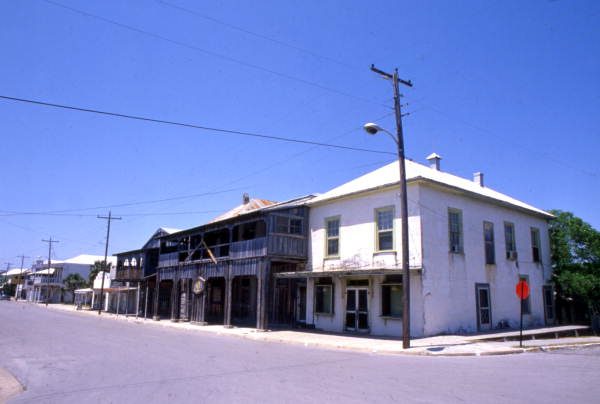
The Shape of the Town
The census numbers tell a story the brochures skip. There are 819 housing units in Cedar Key; 450 of them are vacant. That is more than half the standing structures, empty in the off-season or empty for good. Another 269 are held for seasonal or recreational use, which means the permanent population — 756 souls — is outnumbered by the roofs above them. The median age is 68.4 years. The median home value is $331,100, and the median gross rent is $918 — not much to live on if you are working. The unemployment rate is 4.2 percent, and 49.7 percent of adults hold a bachelor's degree or higher. This is a town with a high education rate and a low workforce, a place to retire to, or to visit, rather than a place to build from.
It was not always so. The first organised settlement in the Cedar Keys was on Atsena Otie Key, the island the Creek people called cedar island — the very tree that named the whole cluster. Augustus Steele bought the military structures there in 1843 for $227, along with title to its 167 acres. The island became the nucleus of everything that followed. By 1886, seventeen sawmills were cutting red cedar in Cedar Key, turning out nearly half a million board feet a week. The Eberhard Faber mill, set up in 1865, cut slats for pencils. The Eagle Pencil Company did the same on Way Key at 3rd and G Streets, making cedar slats and pencil boxes. The wood went out into the world; the world wrote with it. Then came the 1896 hurricane — the storm surge locals still call the tidal wave — and it damaged both mills so badly they closed soon after. More than thirty-five houses on the high ground of Atsena Otie survived the surge. The industry did not.
Top Day Trips from Cedar Key
You can see the whole town in an afternoon. That is not a criticism; it is a fact. The question is what to do with the rest of the day, and the answer depends on how far you want to drive, and what kind of festival you can tolerate. The nearest options are modest. The best ones are far enough that you should pack a lunch.
Steinhatchee, 44 Miles — Fiddler Crab Festival
Steinhatchee is a working river town up the coast, and it hosts the Fiddler Crab Festival — exactly what it sounds like: a celebration of the small crabs that swarm the mudflats. It is a small-town festival, not a spectacle, and it draws locals and a few visitors who know the area. The drive is a straight shot up US-19/98, mostly through pine flatwoods and salt marsh. If you have never seen a fiddler crab wave its one big claw in synchrony with hundreds of others, it is worth the hour. If you have, it is still a pleasant excuse to stand by the water.
Perry, 76 Miles — Florida Forest Festival
Perry is farther inland, up past the bend of the coast, and its Florida Forest Festival is a logging-town throwback — timber sports, chainsaw carving, a parade. A different kind of Florida from Cedar Key's: not salt and cedar, but pine and sawdust. The drive is about an hour and a half, through the kind of small crossroads towns that make you wonder who lives there. Then you arrive at a festival that celebrates the very industry that built Cedar Key and then left it. There is a melancholy resonance in that, if you are the sort of person who notices such things.
Dade City, 80 Miles — Kumquat Festival
Dade City is a different world entirely: inland, hilly, agricultural, and proud of its kumquats. The Kumquat Festival is a one-day affair in January, with citrus stands, a parade, and more kumquat preserves than you will ever need. The drive is a solid two hours, crossing the Withlacoochee and then climbing into the ridge country. It is not a Cedar Key kind of landscape, but that is the point of a day trip. You go to see something else, and then you come home.
Mount Dora, 100 Miles — Arts Festival and Craft Fair
Mount Dora is the furthest and the most polished. It has two events: the Mount Dora Arts Festival in early February and the Mount Dora Craft Fair, which runs several weekends in the fall. Both are juried shows with serious artists, not the church-bazaar tier. The drive is about two hours, and it is mostly interstate once you hit the Turnpike. Mount Dora is a tourist town in a way Cedar Key refuses to be — its downtown is a destination, its lakefront is groomed, and its crowds are substantial. If you want to see what Cedar Key might have become if it had been easier to reach, this is the place.
Clermont, 100 Miles — Pig on the Pond
Clermont is out past the Disney orbit, and the Pig on the Pond festival is a barbecue-and-music event held in the spring. Loud, crowded, and entirely about pork and bands. The drive is the same two-hour interstate haul as Mount Dora. It is the least Cedar Key-like option on this list — no water, no cedar, no history — but sometimes you want that. The festival runs for several days, and the lake there is the kind of thing you can see from the highway.
Why Atsena Otie Key Is the Best Day Trip
Here is the thing to remember as you plan your route. Cedar Key has 756 residents and 450 vacant houses. It survived a tidal wave that shut down its industry, and then it waited a hundred years to find its next purpose. The festivals in Steinhatchee, Perry, Dade City, Mount Dora, and Clermont are all fine diversions. But the best day trip from Cedar Key may be the one you do not take: the boat ride out to Atsena Otie Key, where the first settlement stood, where the cedar grew, and where more than thirty-five houses survived the 1896 surge. The island is mostly returned to nature now, with the ruins of the old town still visible in places. You can walk the high ground and think about what it held — and what it still holds, if you know where to look.
None of the surrounding festivals will tell you much about Cedar Key. They will tell you about Florida — the logging Florida of Perry, the citrus Florida of Dade City, the lake-and-barbecue Florida of Clermont. That is their value. And then you will drive home, across the causeway, back to the town with the empty houses and the old cedar and the water on every side. The town is smaller than its history. The day trips do not change that. But they make you grateful for the drive home.
Common questions
- What happened to the pencil mills in Cedar Key?
- The Eberhard Faber mill set up in 1865 and the Eagle Pencil Company both cut cedar slats here. The 1896 hurricane and fire damaged both so badly that they closed soon after. Atsena Otie Key, the first settlement, still has over 35 houses on high ground that survived that storm.
- Is there anything to see from the old cedar industry?
- Yes, the Eagle Pencil Company site on Way Key at 3rd and G Streets is where cedar slats and pencil boxes were made. The town once had 17 sawmills producing nearly half a million board feet a week by 1886, supplying wood for pencils worldwide.
- Can I visit Seahorse Key?
- Only during the Cedar Key Seafood Festival in October, run by the Lions Club. That's the rare chance to reach Seahorse Key, a historic island three miles out that is otherwise closed to the public. The festival also has arts, music, and a Saturday parade at 11am.
- How big is Cedar Key now?
- The population is 756 people, with a median age of 68.4 years. There are 819 housing units, but 450 are vacant and 269 are for seasonal or recreational use. Median home value is $331,100, and median gross rent is $918.
- What are good day trips from Cedar Key?
- Nearby towns include Steinhatchee (44 miles) for the Fiddler Crab Festival, Perry (76 miles) for the Florida Forest Festival, and Dade City (80 miles) for the Kumquat Festival. Mount Dora and Clermont are about 100 miles away with arts festivals and Pig on the Pond.
- Is Cedar Key a good place for retirees?
- With a median age of 68.4 and 49.7% holding a bachelor's degree or higher, it's an educated, older community. Unemployment is low at 4.2%, and median household income is $69,226. The town is smaller than its history, but that history is deep.
Every business named above is one we hold a listing for, and every date traces to a source on our sources page. We do not describe menus, interiors or service we have not verified. Details change — confirm before you travel.