Guides · Cedar Key, Florida
Cedar Key vs Spring Hill: Key Differences
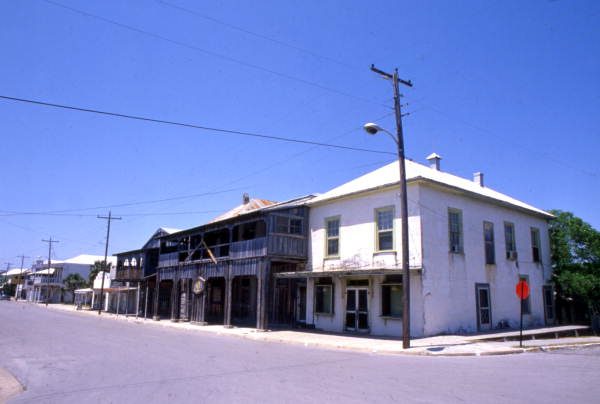
Cedar Key is not a retirement town with a beach. It is a mill town that lost its mill, and its present-day emptiness is the visible shape of that loss.
The Cedar That Named the Keys
The first organised settlement in the Cedar Keys began on Atsena Otie Key in 1843, when Augustus Steele bought the military structures there for $227, along with title to its 167 acres. The island became the nucleus of the settlement. Its name carries the whole story: Atsena Otie means cedar island in the Creek language, the cedar that gave the entire group of keys its name. Before the mills, before the railroad, before the storm, the tree itself was the reason anyone came. The town that grew from that purchase was always a timber town, and the timber was always cedar.
Wood for the World's Pencils
Cedar milling made the town. The Eberhard Faber mill, set up in 1865, cut red cedar slats for pencils. By 1886 the seventeen sawmills at Cedar Key were turning out nearly half a million board feet a week. This was not a small industry serving a local market; it was an industrial operation feeding a global one. Cedar Key supplied the wood the world wrote with. Both the Eberhard Faber mill and the Eagle Pencil Company cut pencil slats here, and the Eagle Pencil Company site on Way Key at 3rd and G Streets made slats and pencil boxes. The scale is hard to reconcile with what stands there now: seventeen mills, half a million board feet weekly, the entire enterprise built on one species of tree.
The Storm That Ended the Timber Era
The 1896 hurricane and fire damaged both mills beyond repair, and they closed soon after. That is the end of the timber era, and it was abrupt. On Atsena Otie Key, the island first settled, more than thirty-five houses on the high ground survived the storm surge that locals still call the tidal wave. The houses endured; the industry did not. The mills were the reason for the town, and when they closed, the town had to become something else. It never quite found a replacement at the same scale.
What the Census Numbers Say Today
The population of Cedar Key is 756 people, and the median age is 68.4 years. Of the 819 total housing units, 450 are vacant. The median home value is $331,100, and the median gross rent is $918. Median household income is $69,226, and the unemployment rate is 4.2 percent. Nearly half the population, 49.7 percent, holds a bachelor's degree or higher. These are not the numbers of a working port or a timber town. They are the numbers of a place where the work left, and the people who stayed are older, educated, and largely not in the labour force.
| Cedar Key Then and Now | Then (1886) | Now (Census) |
|---|---|---|
| Sawmills operating | 17 | 0 |
| Cedar lumber output | ~500,000 board feet/week | None |
| Population | Not recorded in supplied facts | 756 |
| Housing units | Not recorded in supplied facts | 819 |
| Vacant housing units | Not recorded in supplied facts | 450 |
| Median age | Not recorded in supplied facts | 68.4 years |
The Empty Rooms and the Seasonal Tide
Of the 819 housing units, 269 are held for seasonal or recreational use. That means more than a third of the housing stock is not occupied year-round, and when you add the 450 vacant units, the occupied share of the town's housing drops further. This is the visible shape of the loss. The mills closed, the workers left, and the houses that remain are either empty or filled for part of the year. The town is smaller than its history, and the housing numbers show it: more than half the units in Cedar Key are not someone's primary residence. The seasonal tide comes and goes, but it does not replace the permanent population that the timber economy once supported.
A Day to Remember the Mill Town
The Cedar Key Seafood Festival, run by the Lions Club each October, is the town's annual anchor. It features more than 100 arts and crafts exhibits, live music, and a Saturday parade at 11am, with clam chowder, oysters, and smoked mullet dip. It is also the rare chance to reach Seahorse Key, a historic island three miles out that is otherwise closed to the public. The festival does not recreate the timber era, but it brings people to the town for a day, and it connects the present to the past in a way that the empty houses cannot. The seafood is not cedar, and the festival is not a mill, but it is the closest thing the town has to a civic gathering that acknowledges why the town exists at all.
What made Cedar Key important historically was the cedar itself: the tree gave the keys their name, and the milling of that tree gave the town its purpose. The industry ended because the 1896 hurricane and fire destroyed the mills, and the companies closed rather than rebuild. Today the town is a small, older population living among vacant and seasonal homes, with a median age near seventy and more empty units than occupied ones. The Seafood Festival offers a yearly moment of connection to the town's past, and Atsena Otie Key, the first settlement, still stands on its high ground, its houses having survived the storm that ended the industry that built them. The town is not what it was, but it is honest about what it was, and that is something.
Common questions
- What happened to the pencil mills in Cedar Key?
- The Eberhard Faber mill, set up in 1865, and the Eagle Pencil Company both cut cedar pencil slats here. The 1896 hurricane and fire damaged both so badly they closed soon after. That storm ended the era of 17 sawmills producing nearly half a million board feet a week.
- Is Atsena Otie Key worth visiting?
- Atsena Otie Key is the island first settled in 1843 by Augustus Steele, who bought its 167 acres for $227. More than 35 houses on high ground survived the 1896 storm surge. It's accessible during the Cedar Key Seafood Festival in October, the rare chance to reach it.
- How big is Cedar Key today?
- Cedar Key has a population of 756 people, with a median age of 68.4 years. There are 819 total housing units, but 450 are vacant, and 269 are for seasonal or recreational use. It's much smaller than its sawmill-era history suggests.
- What's the Cedar Key Seafood Festival like?
- Run by the Lions Club each October, it features more than 100 arts and crafts exhibits, live music, a Saturday parade at 11am, and food like clam chowder, oysters, and smoked mullet dip. It's also the rare chance to visit Seahorse Key, a historic island three miles out.
- Is Cedar Key a good place to retire?
- With a median age of 68.4 and 49.7 percent of residents holding a bachelor's degree or higher, it attracts retirees. Median home value is $331,100, and median gross rent is $918. Unemployment is low at 4.2 percent, and median household income is $69,226.
- What's the history behind the name Cedar Key?
- Atsena Otie means 'cedar island' in the Creek language, and that cedar gave the whole group of keys its name. Cedar milling built the town—by 1886, 17 sawmills here cut nearly half a million board feet a week, supplying wood for pencils worldwide.
Every business named above is one we hold a listing for, and every date traces to a source on our sources page. We do not describe menus, interiors or service we have not verified. Details change — confirm before you travel.