Guides · Cedar Key, Florida
Cedar Key vs Steinhatchee: Which Florida Town to Visit
Cedar Key was built on cedar, not sand. The difference is still visible in its vacant lots, its old-timers, and the island you can reach only by boat.
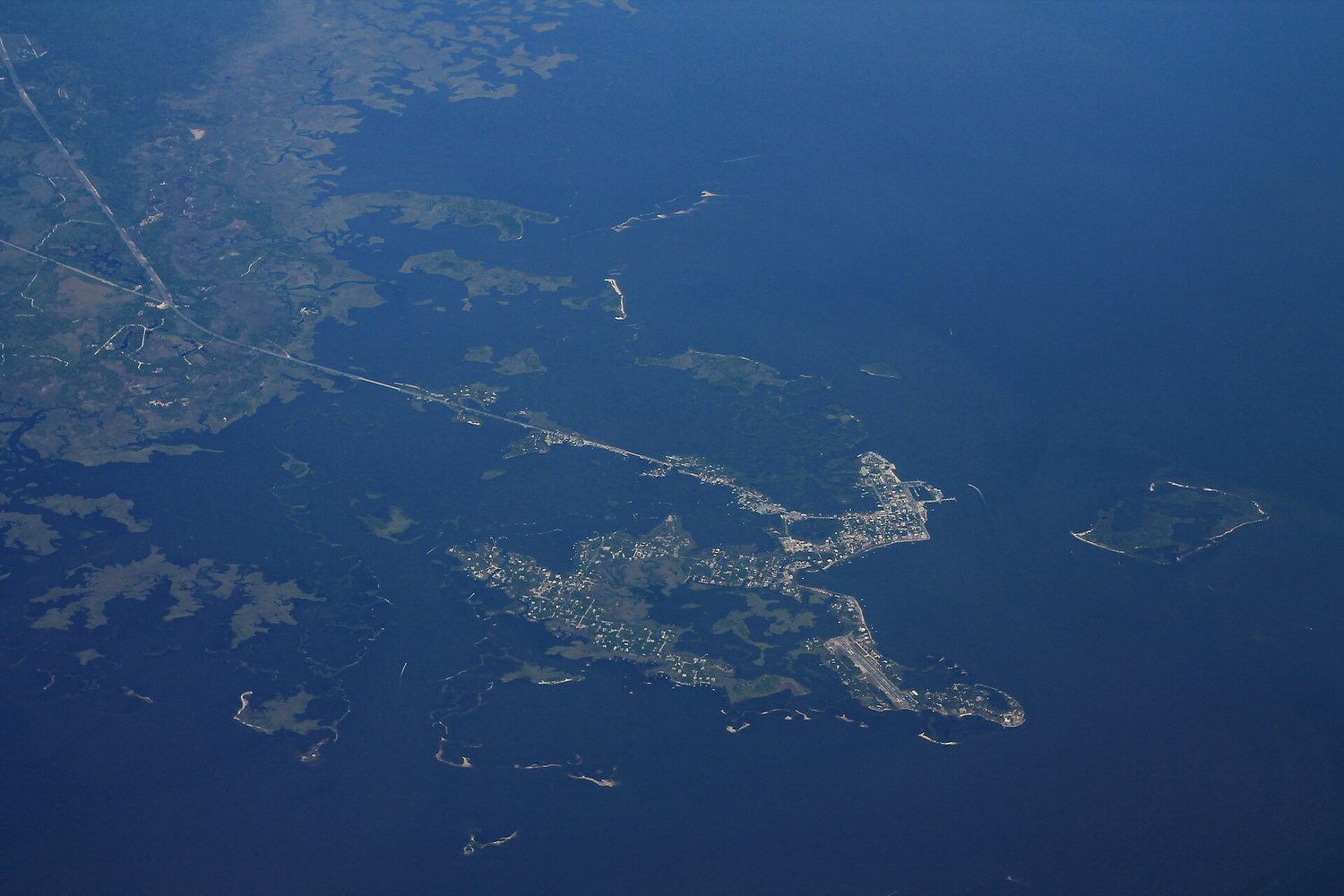
The Cedar That Built a Town
Augustus Steele paid $227 in 1843 for the military structures on Atsena Otie Key and its 167 acres. That purchase became the nucleus of the first organised settlement in the Cedar Keys. The island’s name means "cedar island" in the Creek language, and the tree gave the whole group of keys its name. Milling began almost immediately after the Civil War, with the Eberhard Faber mill set up in 1865 to cut red cedar slats for pencils. By 1886, seventeen sawmills at Cedar Key were turning out nearly half a million board feet a week. This was the pencil capital of the world, and it supplied the wood the world wrote with. Both the Faber mill and the Eagle Pencil Company cut slats here until the 1896 hurricane and fire damaged both so badly that they closed soon after. Cedar Key’s historical significance is not as a coastal town but as an industrial outpost of the writing trade—a place whose entire reason for being was to turn trees into the tools of literacy.
What the 1896 Tidal Wave Left Behind
The 1896 hurricane and fire did not just close two mills. It ended an era. Locals still call the surge "the tidal wave," and on Atsena Otie Key, more than thirty-five houses on the high ground survived it. The town’s physical footprint today reflects that rupture. The mills are gone, the wharves are gone, and the population never recovered. What remains is a scattering of buildings from before the storm and a lot of empty space where the industry once stood. The town is smaller than its history. Say so plainly. You can see the rupture in the streets, where the blocks that once held sawmills and slat yards are now grass and gravel.
Walking the Way Key Remains
The most direct relic of the pencil industry is the Eagle Pencil Company site on Way Key at 3rd and G Streets, where cedar slats and pencil boxes were made. There is no interpretive centre and no marker explaining what happened there. It is simply a place where the ground remembers. Around it, the census numbers tell the same story of abandonment. There are 819 total housing units in Cedar Key, and 450 of them are vacant. That is a vacancy rate over half, and it means that most of the town’s physical structure is empty at any given time. The population is 756 people, living amid the ruins of an industrial past that was already dead before the First World War. The lots are empty, the houses are old, and the town makes no effort to disguise what it is.
The Census of a Shrinking Place
The median age in Cedar Key is 68.4 years. The median household income is $69,226, and the median home value is $331,100. Homes held for seasonal or recreational use number 269, which means a third of the housing stock is only occupied part of the year. The unemployment rate is 4.2 percent, and 49.7 percent of residents hold a bachelor’s degree or higher. What these numbers say is that Cedar Key is no longer a working port. It is a retirement refuge, a place where people come to end their lives quietly, not to build them. The high vacancy rate is a direct consequence of the 1896 storm: the industry never returned, and the population that left never came back. The town has become a place of old people and empty houses, with a median age that is nearly three times the national average.
Seafood Festival and the Rare Seahorse Key
The Cedar Key Seafood Festival, run by the Lions Club each October, is the town’s one big event. It features more than 100 arts and crafts exhibits, live music, a Saturday parade at 11am, and clam chowder, oysters, and smoked mullet dip. It is also the rare chance to reach Seahorse Key, a historic island three miles out that is otherwise closed to the public. This festival is a living tradition, but it is a small one, and it sits uneasily beside the industrial ghost of the pencil mills. The town that once shipped wood to the world now sells chowder to day-trippers. That is not a criticism; it is just the truth.
Cedar Key vs. Steinhatchee: Which Fits Your Day Trip
Steinhatchee is 44 miles away, and it hosts the Fiddler Crab Festival. Cedar Key has history; Steinhatchee has crabs. If your interest is in the pencil industry, the 1896 storm, and the ruins of a timber empire, Cedar Key is the only choice. If you want a festival with a parade and a crab boil, Steinhatchee may suit you better. Cedar Key’s festival is in October, and it is the only time you can visit Seahorse Key. Steinhatchee’s is a spring event, and the town is a fishing village rather than an industrial relic. Both are small, both are on the water, and neither is a beach resort. The comparison comes down to what you want to see: history that is mostly absence, or a working fishing town that never lost its reason for being.
| Aspect | Then (1886) | Now (Census) |
|---|---|---|
| Sawmills | 17 operating | 0 |
| Board feet per week | ~500,000 | 0 |
| Population | Thousands (mill town) | 756 |
| Housing units | Mill housing | 819 total, 450 vacant |
| Median age | Working-age adults | 68.4 years |
| Pencil mills | Faber and Eagle operating | Sites only, no structures |
| Seasonal homes | None | 269 units |
Cedar Key’s historical significance is that it made the pencils the world wrote with, and the 1896 hurricane ended that industry permanently. A visitor today can see the Eagle Pencil Company site at 3rd and G Streets, the surviving houses on Atsena Otie Key, and a town whose population is small and old because the industry that built it died in a single storm. And if you must choose between Cedar Key and Steinhatchee for a day trip, choose Cedar Key for the history and Steinhatchee for the festival, but do not pretend either is a beach town.
Common questions
- What happened to the cedar mills in Cedar Key?
- Cedar milling made the town: by 1886, 17 sawmills cut nearly half a million board feet weekly. The 1896 hurricane and fire damaged the Eberhard Faber and Eagle Pencil mills so badly they closed soon after, ending the era.
- Is Atsena Otie Key worth visiting?
- Yes, it's the first settled island, where Augustus Steele bought military structures in 1843 for $227. More than 35 houses on high ground survived the 1896 storm surge. It's reachable by boat, but check access; the Seafood Festival offers a rare chance to visit nearby Seahorse Key.
- How big is Cedar Key today?
- It's small—756 people, with a median age of 68.4. Of 819 housing units, 450 are vacant, and 269 are seasonal or recreational. The town is smaller than its history; the mills are gone, but the past lingers.
- What's the best time to visit for local culture?
- October's Cedar Key Seafood Festival, run by the Lions Club, has 100+ arts and crafts exhibits, live music, a Saturday 11am parade, and clam chowder, oysters, and smoked mullet dip. It's also your only public chance to reach Seahorse Key.
- Can I see where pencils were made?
- The Eagle Pencil Company site is on Way Key at 3rd and G Streets, where cedar slats and pencil boxes were made. No buildings remain, but you can stand where the wood that wrote the world was cut.
- How does Cedar Key compare to Steinhatchee?
- Steinhatchee is 44 miles north, with its Fiddler Crab Festival. Cedar Key has deeper history—17 sawmills and pencil slats—while Steinhatchee is more about fishing and crabbing. If you want history, choose Cedar Key; for a simpler coastal trip, Steinhatchee.
Every business named above is one we hold a listing for, and every date traces to a source on our sources page. We do not describe menus, interiors or service we have not verified. Details change — confirm before you travel.