Guides · Cedar Key, Florida
Wintering in Cedar Key: A Small Town Guide
Cedar Key is smaller than its history, and that is the point: a town built to supply the world with pencil wood now numbers 756 people, and wintering here means living inside that quiet aftermath rather than a staged version of it.
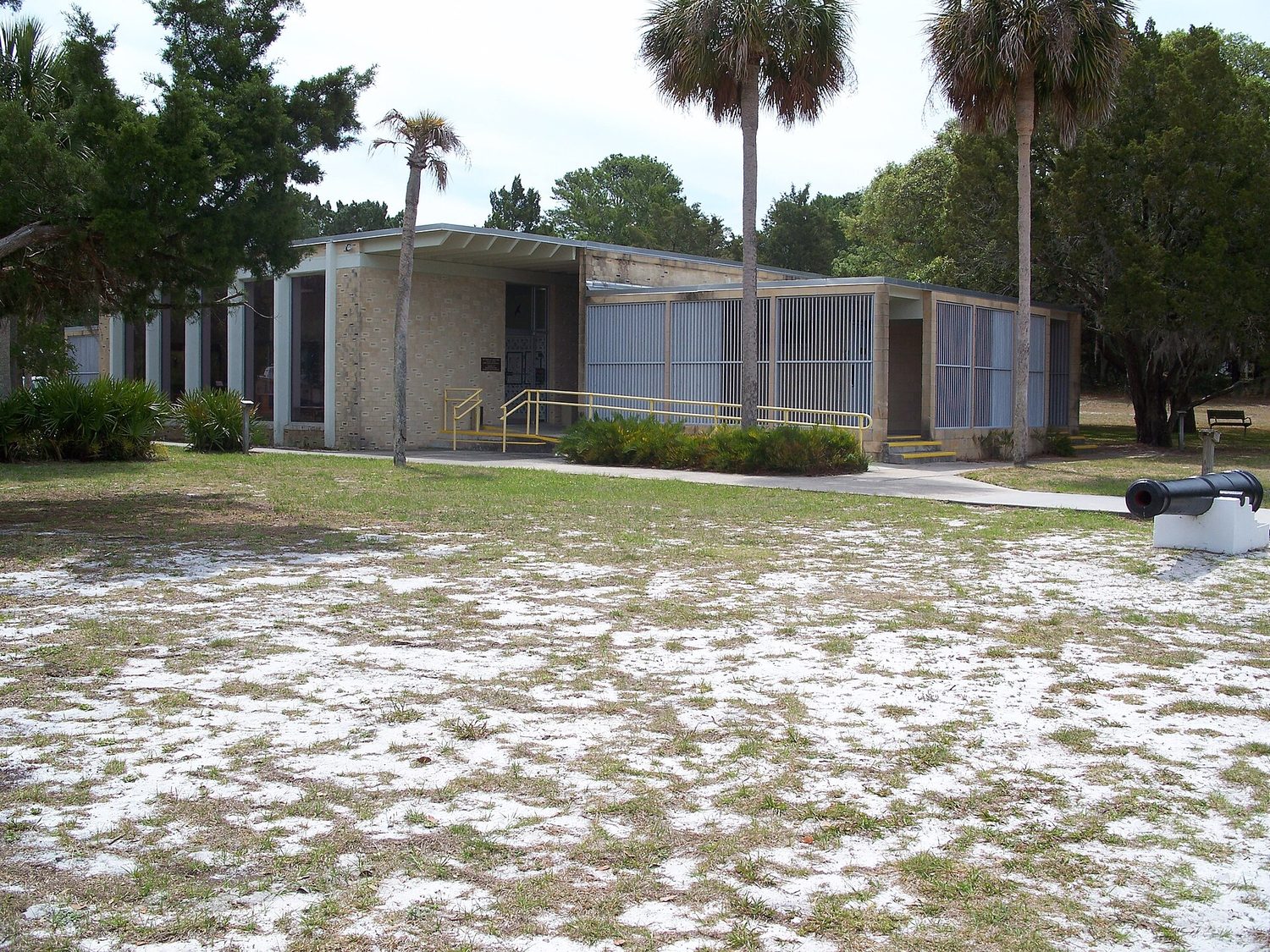
How Cedar Key Lost Its Pencil Industry
The cedar that gave the Cedar Keys their name was the making of this place, and the unmaking too. Cedar Key grew fast and cut faster: by 1886, seventeen sawmills were turning out nearly half a million board feet of red cedar a week, feeding the Eberhard Faber mill (set up in 1865) and the Eagle Pencil Company, both of which sliced the wood into pencil slats. The town supplied the wood the world wrote with. Then the 1896 hurricane—the tidal wave, locals still call it—surged over the keys, and fire finished what water started. Both mills closed soon after, and the population that had supported all those saws drained away. The town did not rebuild its industry; it just kept existing, smaller. That is the history a winter visitor steps into: not a living heritage district but a place that outlived its reason for being.
Walking Way Key: Where the Pencil Slats Were Cut
The Eagle Pencil Company site at 3rd and G Streets on Way Key is a street corner now, which is the honest way to encounter it. The mill that cut slats and pencil boxes here is gone, absorbed into the town grid. The Eberhard Faber operation, likewise, has left no working monument. What you get instead is the layout itself—blocks laid out for a workforce that no longer fills them. The walk is short, the streets quiet, and the absence of anything commemorative is its own kind of accuracy.
Atsena Otie Key: Cedar Key's First Settlement by Boat
Before Way Key was anything, Atsena Otie Key was the nucleus. In 1843, Augustus Steele bought the military structures there for $227, along with title to its 167 acres, and the island became the first organised settlement in the Cedar Keys. Atsena Otie means cedar island in the Creek language—the cedar that named everything around it. More than thirty-five houses on the high ground survived the 1896 surge. The island is reachable by boat, and what you will find is not a restored village but the high ground those houses stood on, and the quiet that followed the evacuation. It is the first settlement, now a place you visit rather than inhabit.
What It's Like to Winter in a Town of 756
The numbers describe the experience before you arrive. Population: 756. Median age: 68.4 years. Median household income: $69,226. Median home value: $331,100. Median gross rent: $918. Nearly half of adults hold a bachelor’s degree or higher (49.7 percent). Unemployment is 4.2 percent. The housing stock tells the sharper story: 819 total units, of which 450 are vacant and 269 are held for seasonal or recreational use. That is not a town with a winter season; that is a town whose permanent footprint is roughly a third of what it physically contains. A winter resident is joining a place that is mostly empty in the off-season, where services and pace are scaled to a small full-time population, not to the summer swell.
Cedar Key Seafood Festival: A Winter Season Anchor
The Cedar Key Seafood Festival, run by the Lions Club each October, is the seasonal marker. More than 100 arts and crafts exhibits, live music, a Saturday parade at 11am, and the usual clam chowder, oysters, and smoked mullet dip. It is also the rare chance to reach Seahorse Key, a historic island three miles out that is otherwise closed to the public. For a winter resident, the festival is the hinge: it comes at the start of the season, before the coldest months, and it is the one time the town fills with something like its old crowd.
Cedar Key Population and History by the Numbers
| Measure | Value |
|---|---|
| Sawmills at peak (1886) | 17 |
| Weekly board feet at peak | ~500,000 |
| Population (current) | 756 |
| Median age | 68.4 years |
| Total housing units | 819 |
| Vacant housing units | 450 |
| Seasonal/recreational units | 269 |
| Median home value | $331,100 |
| Median gross rent | $918 |
| Median household income | $69,226 |
| Bachelor’s degree or higher | 49.7% |
| Unemployment rate | 4.2% |
The town that once cut half a million board feet a week now holds 756 people, most of them past retirement age, in a housing stock that is more than half empty or seasonal. That is not a deficiency; it is the condition of the place. Wintering in Cedar Key means accepting that the history is not performed for you—it is simply the ground you walk on, the street corner where the pencil mill was, the island where the first settlement stood. The festival gives you one crowded weekend. The rest of the season gives you the quiet that followed the storm.
Common questions
- What happened to the cedar mills in Cedar Key?
- Cedar Key had 17 sawmills by 1886, cutting nearly half a million board feet a week for pencils. The 1896 hurricane and fire damaged the Eberhard Faber and Eagle Pencil mills so badly that both closed soon after, ending the industry.
- Is Atsena Otie Key worth visiting?
- Yes, it's the island first settled in 1843 and the source of the town's name. More than 35 houses on high ground survived the 1896 storm surge. You can reach it during the October Seafood Festival, the rare chance to visit otherwise-closed Seahorse Key nearby.
- How big is Cedar Key today?
- It's small—756 people with a median age of 68.4. There are 819 housing units, but 450 are vacant, and 269 are seasonal or recreational. The town is smaller than its history; the mills are gone, but the past remains.
- What's the best time to visit for local culture?
- October's Cedar Key Seafood Festival, run by the Lions Club, has over 100 arts and crafts exhibits, live music, a Saturday parade at 11am, and clam chowder, oysters, and smoked mullet dip. It's also your only chance to reach Seahorse Key.
- What is the median home value and rent in Cedar Key?
- The median home value is $331,100, and the median gross rent is $918 per month. Median household income is $69,226, with an unemployment rate of 4.2 percent. It's an affordable coastal spot for retirees and seasonal residents.
- Are there day trips from Cedar Key to other festivals?
- Yes. Steinhatchee (44 miles) has the Fiddler Crab Festival, Perry (76 miles) the Florida Forest Festival, Dade City (80 miles) the Kumquat Festival, and Mount Dora (100 miles) has arts and craft fairs. Clermont (100 miles) hosts Pig on the Pond.
Every business named above is one we hold a listing for, and every date traces to a source on our sources page. We do not describe menus, interiors or service we have not verified. Details change — confirm before you travel.