Guides · Cedar Key, Florida
Cedar Key Weather: Season-by-Season Guide
Cedar Key’s weather has never been scenery. It is the author of the town’s biography—writing the rise of the pencil mills, the flood that ended them, and the quiet that followed.
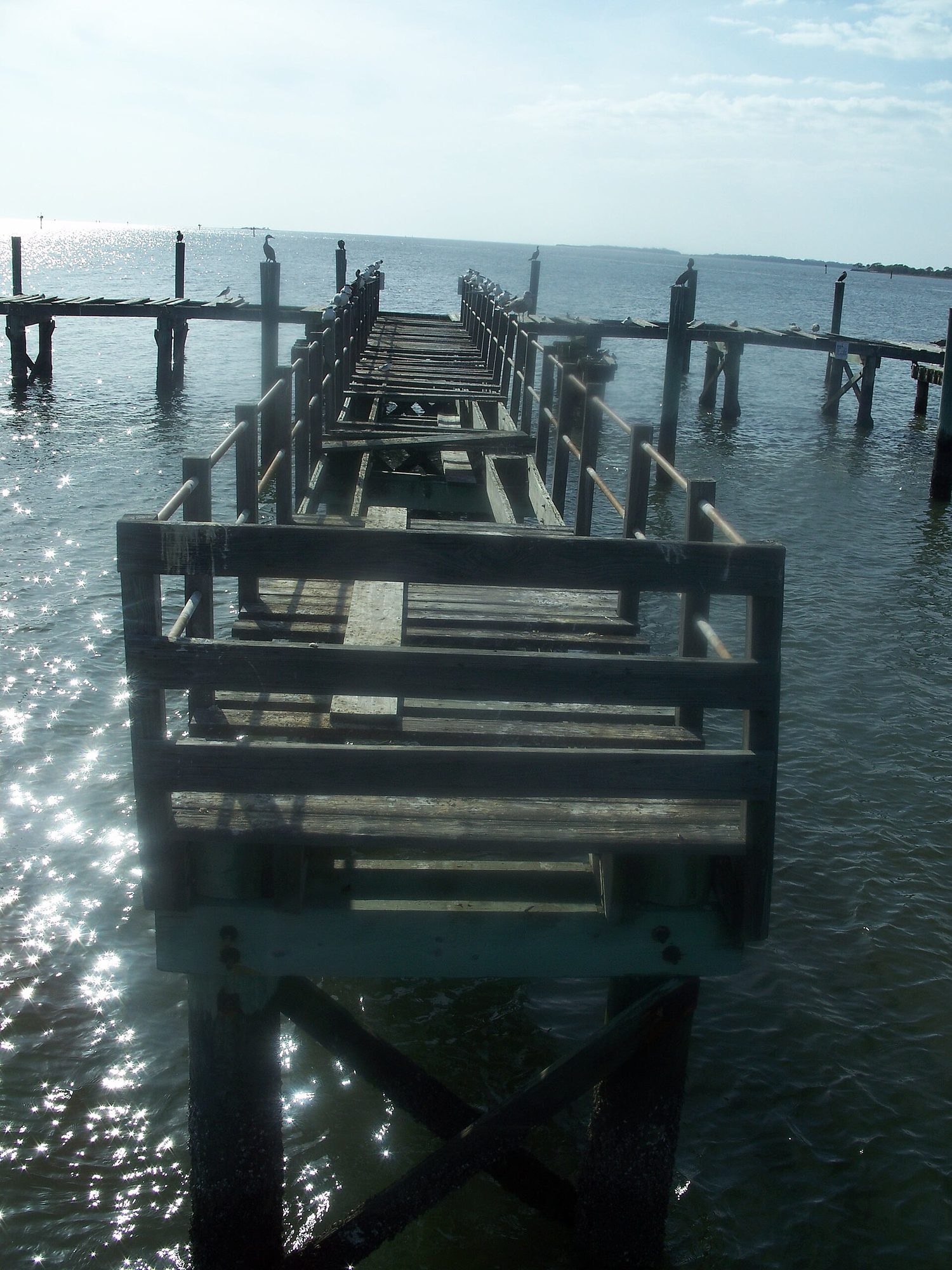
The Storm That Ended the Sawmills
The 1896 hurricane and the fire that followed did not just damage two factories. They closed the book on Cedar Key’s industrial age. The Eberhard Faber mill, set up in 1865, and the Eagle Pencil Company site on Way Key at 3rd and G Streets both cut red cedar slats here until that storm. When the surge and flames receded, both mills shut down soon after. A town that by 1886 had 17 sawmills turning out nearly half a million board feet a week lost its reason for being. The storm did not merely interrupt the town; it froze its size. Cedar Key never grew back into its history, and the weather made sure of that.
Winter in Cedar Key: Mild Weather, Quiet Streets
Winter in Cedar Key is absence made visible. Of the town’s 819 total housing units, 269 are held for seasonal or recreational use, and 450 stand vacant. The cold months draw the part-time residents south, leaving streets that belong to the year-round few. The median age here is 68.4 years, and in winter that demographic becomes the town’s public face—retirees and long-term residents who stay while the seasonal homes sit dark. The weather is mild, but the emptiness is the real forecast. What winter reveals is who is actually here: a population of 756 people, most of them past working age, living in a town that no longer needs to employ them.
Spring: The Calm Before the Heat
Spring is the hinge of the Cedar Key year—the brief season when the weather does not demand attention. The heat and humidity of summer have not yet arrived, and the festival crowds of October are months away. For the 756 residents, this is the time of preparation: checking roofs, clearing lots, and remembering that the water never stops being a factor. The Seafood Festival arrives in October, not spring, which leaves this season as a quiet prelude. It is the best time to visit if you want the town without the crowds, but it is also the season when the town’s smallness is most obvious. Nothing here is busy yet. The weather is simply waiting.
Summer: Heat, Humidity, and the Tidal Wave’s Memory
Summer in Cedar Key is oppressive, and the town knows it. The heat and humidity press down, and the memory of the 1896 storm surge—what locals still call the tidal wave—hangs over the season. That storm came in summer’s hurricane months, and it did not spare the island first settled. On Atsena Otie Key, more than thirty-five houses on the high ground survived the surge, and their survival is the town’s quiet proof of resilience. The weather that ended the sawmills did not erase everything. Some things held. Summer is the season to respect that history, because the same water that built the town’s wealth can still take it away.
Fall: The Festival and the Island That Opens Once a Year
Fall is when Cedar Key becomes livable again. The heat breaks, and the town’s biggest event arrives: the Cedar Key Seafood Festival, run by the Lions Club each October. It brings more than 100 arts and crafts exhibits, live music, a Saturday parade at 11am, and the rare chance to reach Seahorse Key, a historic island three miles out that is otherwise closed to the public. The festival is the season’s centerpiece, but the weather is the real draw—milder air, calmer water, and a town that finally feels inhabited. For visitors, this is the answer to when to come. For residents, it is the proof that the town can still gather.
Cedar Key Weather and Demographics: What the Data Shows
The census numbers tell the weather’s story better than any narrative. The 450 vacant housing units are not a market failure; they are the mark of a town that shrank after the mills closed and never refilled. The 269 seasonal homes show that the water still draws people, just not year-round. The median home value of $331,100 and median gross rent of $918 suggest a place where property is affordable by Florida standards but not cheap. The median household income of $69,226 and unemployment rate of 4.2 percent describe a small, stable economy—one that no longer depends on the cedar that built the town. And the 49.7 percent of residents with a bachelor’s degree or higher hints at a population that chose this place deliberately. The water shaped all of it.
Cedar Key's Seasons at a Glance
| Season | What It Brings |
|---|---|
| Winter | Mild temperatures, empty seasonal homes, a town of 756 year-round residents with a median age of 68.4 |
| Spring | Calm before the heat, preparation for summer, no major events until October |
| Summer | Oppressive heat and humidity, hurricane season, the historical memory of the 1896 tidal wave |
| Fall | The Seafood Festival in October, access to Seahorse Key, the return of livable weather |
The weather wrote Cedar Key’s rise, its fall, and its current quiet. The town is smaller than its history, and the seasons are the chapters of that story. Visit in fall for the festival, in spring for the calm, but remember in summer that the water has not forgotten what it did.
Common questions
- What is the best time of year to visit Cedar Key?
- October is ideal, when the Cedar Key Seafood Festival brings more than 100 arts and crafts exhibits, live music, a Saturday parade at 11am, and the rare chance to reach Seahorse Key. Summers are hot and humid; winters are mild but can bring cold fronts.
- What happened to the sawmills in Cedar Key?
- Cedar milling made the town. By 1886, 17 sawmills cut nearly half a million board feet a week, including the Eberhard Faber and Eagle Pencil mills. The 1896 hurricane and fire damaged both so badly they closed soon after, ending the pencil-slat era.
- Is Atsena Otie Key worth visiting?
- Yes. Atsena Otie Key was the first settled island, where Augustus Steele bought military structures in 1843 for $227. More than 35 houses on high ground survived the 1896 storm surge. It's accessible by boat, but check local conditions; no ferry service is listed.
- How crowded is Cedar Key compared to nearby towns?
- Cedar Key has 756 residents and 819 housing units, with 450 vacant and 269 seasonal or recreational homes, so it's quiet outside events. Nearby Steinhatchee, Perry, and Dade City host festivals like the Fiddler Crab and Kumquat, drawing larger crowds.
- What is the weather like in Cedar Key during hurricane season?
- Hurricane season runs June through November. The 1896 storm, locals call the tidal wave, devastated the mills. Expect heat, humidity, and storm risk; monitor forecasts. The town's history shows storms can be severe, so plan flexible travel.
- Is Cedar Key a good place for a quiet retirement or remote work?
- With a median age of 68.4 and 49.7% holding bachelor's degrees, it's a mature, educated community. Median home value is $331,100, rent $918, and unemployment 4.2%. It's small, but lacks major amenities; nearby towns offer more services.
Every business named above is one we hold a listing for, and every date traces to a source on our sources page. We do not describe menus, interiors or service we have not verified. Details change — confirm before you travel.