Guides · Cedar Key, Florida
Cedar Key Markets and Local Producers: A Local Guide
A town of 756 people with 450 vacant homes and a median age of 68.4, Cedar Key sells what it makes in rooms small enough to miss if you drive past.
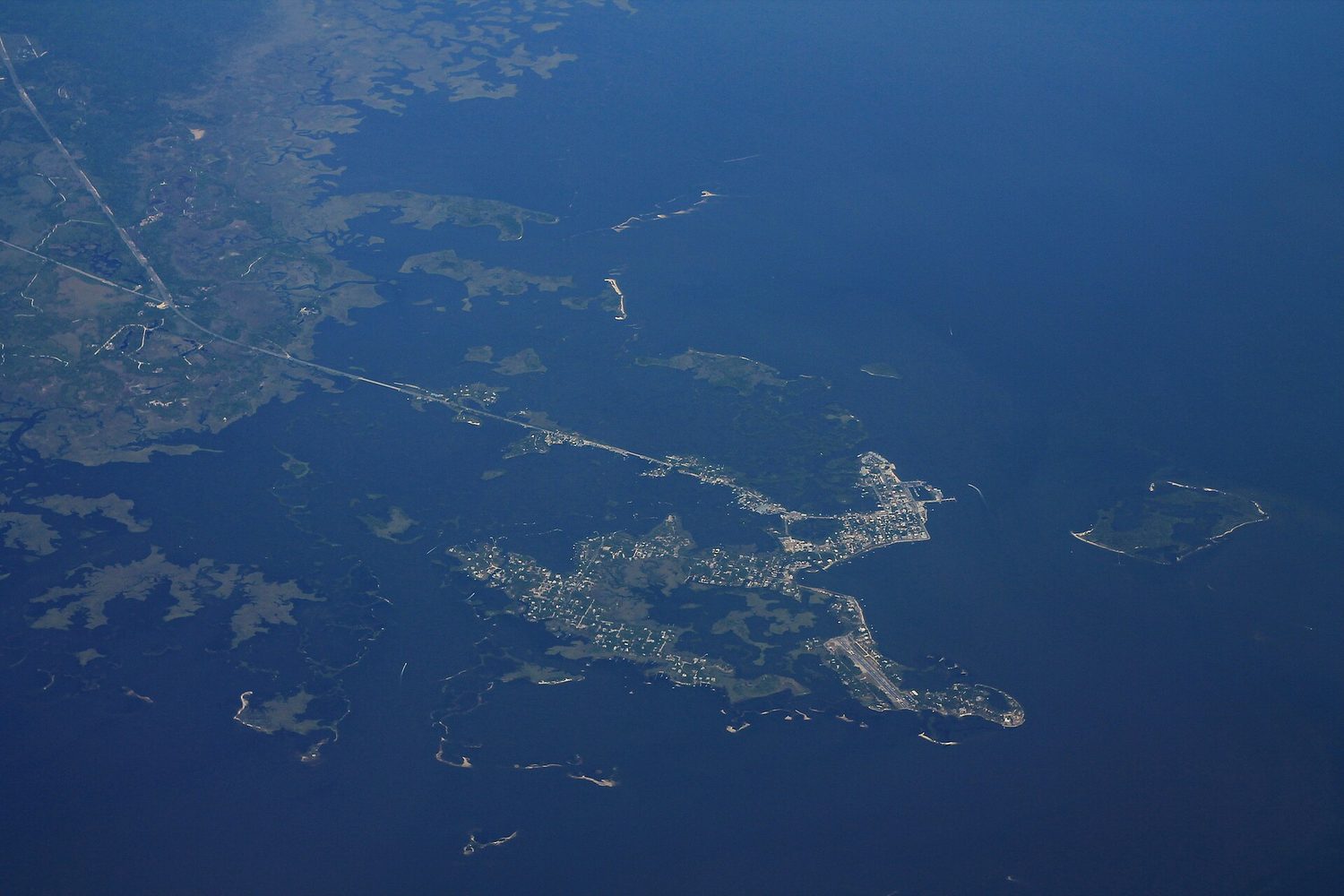
Cedar Key by the Numbers: Population and Housing
Start with arithmetic. Cedar Key's retail scene only makes sense as arithmetic. The population is 756. There are 819 total housing units, of which 269 are held for seasonal or recreational use and 450 sit vacant. Median household income is $69,226, median home value is $331,100, and nearly half of residents — 49.7 percent — hold a bachelor's degree or higher. The unemployment rate is 4.2 percent.
Not quite a working town, not quite a resort — a third thing. A small permanent population holding a much larger seasonal one, with a heavy share of the housing stock sitting empty most of the year. Any market here sells to both populations at once, and the seasonal half is not present for most of the calendar.
How the Cedar Milling Industry Shaped Cedar Key
Cedar milling was the making of the town. The Eberhard Faber mill, set up in 1865, cut red cedar slats for pencils, and by 1886 the 17 sawmills at Cedar Key were turning out nearly half a million board feet a week. Both the Eberhard Faber mill and the Eagle Pencil Company cut pencil slats here until the 1896 hurricane and fire damaged both so badly that they closed soon after. The Eagle Pencil Company site sat on Way Key at 3rd and G Streets, where cedar slats and pencil boxes were made.
A resource, an industry built on it, and a single storm that ended the industry in a season. What remains is a town that produces in small quantities for people who are already here — a different business than producing for shipment.
Where to Shop and Eat in Cedar Key
The commercial addresses cluster tightly. Annie's Cafe sits at FL-24 and 609 6th St, rated 4.6 from 847 reviews — by a wide margin the most-reviewed business in this group, which tells you something about where the volume is. 1842 Daily Grind & Mercantile is at 598 2nd St, rated 4.8 from 460 reviews. The Prickly Palm, 495 2nd St, is rated 4.9 from 268 reviews. Cedar Key Island Bakery, 315 2nd St, is rated 4.9 from 101 reviews. CK Life is Sweet LLC is listed in Cedar Key, rated 5.0 from 2 reviews.
On the retail side: Island Trading Post at 450 Dock St, rated 3.6 from 124 reviews; Dilly Dally Gally at 390 Dock St, rated 4.2 from 81 reviews; Cedar Key Canvas at 4051 D St, rated 4.7 from 52 reviews; Vintage Kuriosities at 517 2nd St, rated 5.0 from 1 review; and Country Store at 598 2nd St, rated 5.0 from 4 reviews.
A word on those review counts. A 5.0 from two reviews and a 5.0 from four reviews are not the same claim as a 4.6 from 847, and it would be dishonest to present them as though they were. The businesses with thin review counts are real addresses; they are simply not yet attested by enough people to say much.
| Business | Address | Rating | Reviews |
|---|---|---|---|
| Annie's Cafe | 609 6th St | 4.6 | 847 |
| 1842 Daily Grind & Mercantile | 598 2nd St | 4.8 | 460 |
| The Prickly Palm | 495 2nd St | 4.9 | 268 |
| Island Trading Post | 450 Dock St | 3.6 | 124 |
| Cedar Key Island Bakery | 315 2nd St | 4.9 | 101 |
| Dilly Dally Gally | 390 Dock St | 4.2 | 81 |
| Cedar Key Canvas | 4051 D St | 4.7 | 52 |
| Country Store | 598 2nd St | 5.0 | 4 |
| CK Life is Sweet LLC | Cedar Key | 5.0 | 2 |
| Vintage Kuriosities | 517 2nd St | 5.0 | 1 |
When to Visit Cedar Key's Markets
The Cedar Key Seafood Festival runs each October, put on by the Lions Club: more than 100 arts and crafts exhibits, live music, a Saturday parade at 11am, and clam chowder, oysters and smoked mullet dip. It is also the rare chance to reach Seahorse Key, a historic island three miles out that is otherwise closed to the public.
For a town with this many vacant units, that weekend is the one time the ratio inverts. If you want to buy from Cedar Key producers, October is when nearly all of them are in one place — and it is the only reliable public route to Seahorse Key.
The Island That Started It
Permanent occupation of the islands began in 1839, when the US Army under Zachary Taylor built Fort No. 4 on Depot Key as a depot and hospital and made it the headquarters of the Army of the South. The Army abandoned its Depot Key base in 1842, and the Florida Armed Occupation Act passed by Congress that year opened the Cedar Keys to settlement. A hurricane drove a 27-foot storm surge across the Cedar Keys on 4 October 1842, destroying Cantonment Morgan and wrecking much of Depot Key. Augustus Steele claimed Depot Key under the Armed Occupation Act in 1843, renamed it Atsena Otie Key, and built summer cottages there for Florida and Georgia planters. He had bought the military structures on Atsena Otie Key that same year for $227 along with title to its 167 acres. The Cedar Key post office was established in 1845 with Steele as its first postmaster.
Atsena Otie means cedar island in the Creek language — the cedar that gave the whole group of keys its name. More than thirty-five houses on the high ground there survived the 1896 storm surge that locals still call the tidal wave. The island that named the town is now the one you look at across the water rather than shop on.
Cedar Key is smaller than its history. It supplied the wood the world wrote with, and it now sells in quantities sized to 756 year-round residents and a seasonal population that mostly is not here. Not a decline to mourn — a scale to plan around.
Common questions
- What local markets or producers can I visit in Cedar Key?
- Cedar Key has no traditional farmers market, but you can find local goods at Island Trading Post and Dilly Dally Gally on Dock Street, plus Cedar Key Canvas on D Street. The Country Store on 2nd Street is another option. Each offers a small selection of regional items.
- Where can I buy fresh seafood in Cedar Key?
- For fresh seafood, head to Dock Street, where Island Trading Post and Dilly Dally Gally operate. The Cedar Key Seafood Festival each October also offers clam chowder, oysters, and smoked mullet dip, but daily retail seafood markets are limited to these general stores.
- Are there any bakeries or cafes that use local ingredients?
- Several cafes and bakeries dot the island, including Annie's Cafe, 1842 Daily Grind & Mercantile, The Prickly Palm, Cedar Key Island Bakery, and CK Life is Sweet LLC. While specific sourcing isn't documented, these spots are the closest to local producers you'll find.
- What is the Cedar Key Seafood Festival?
- Run by the Lions Club each October, the Cedar Key Seafood Festival features more than 100 arts and crafts exhibits, live music, a Saturday parade at 11am, and local seafood like clam chowder, oysters, and smoked mullet dip. It's also a rare chance to visit Seahorse Key.
- Is there a farmers market in Cedar Key?
- Cedar Key does not have a regular farmers market. The closest options for local goods are the shops on Dock Street and 2nd Street, such as Island Trading Post, Dilly Dally Gally, and the Country Store. These carry a mix of regional products and souvenirs.
Every business named above is one we hold a listing for, and every date traces to a source on our sources page. We do not describe menus, interiors or service we have not verified. Details change — confirm before you travel.