Guides · Cedar Key, Florida
What Is Cedar Key Known For? Pencil History & More
Cedar Key once supplied the wood the world wrote with. Today, 756 people live in the shadow of an industry a single storm erased. The quiet here isn't a choice. It's a consequence.
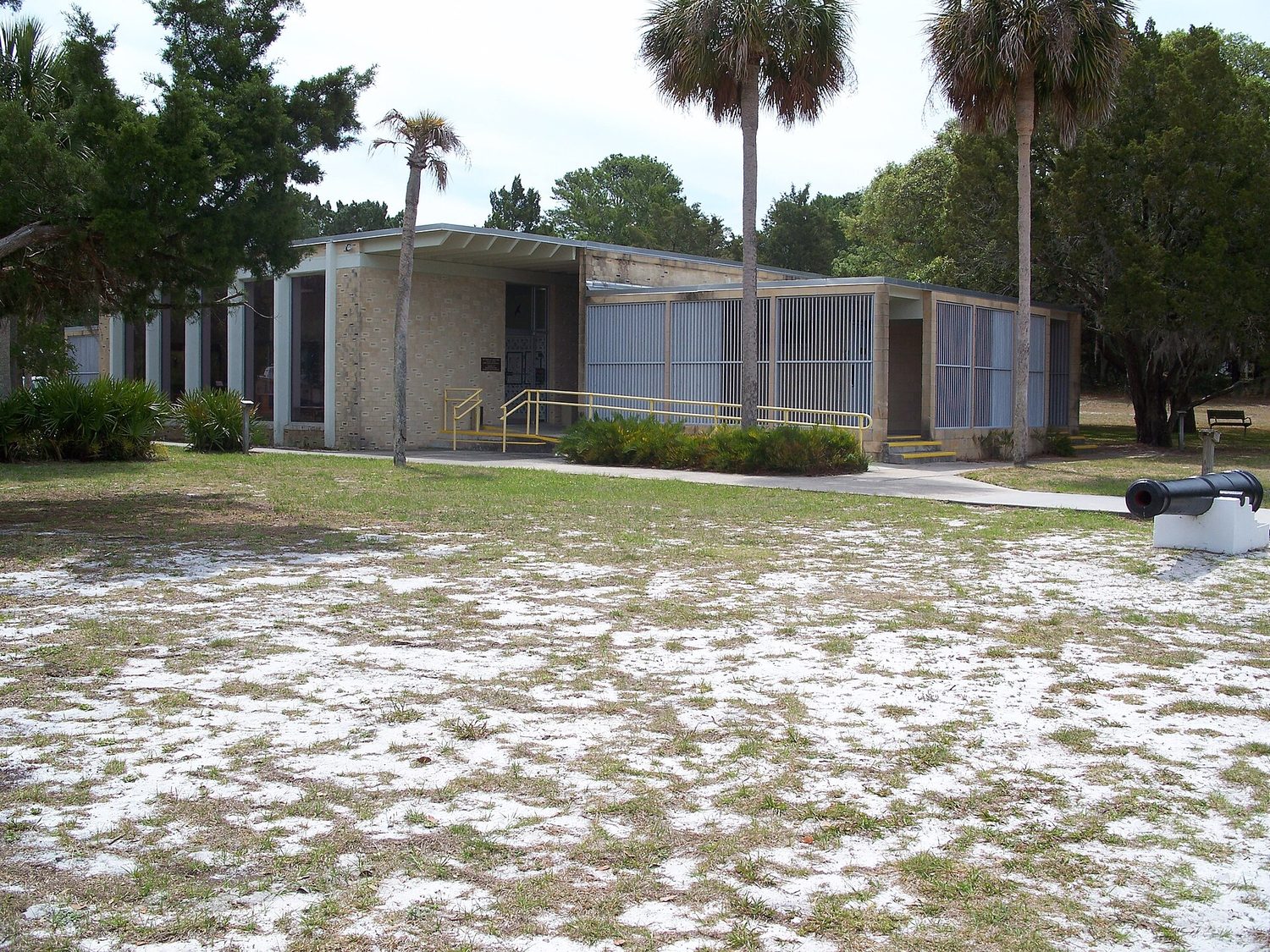
Why Cedar Key Is Called Cedar Key
The name precedes the industry. Atsena Otie Key—the Creek word for "cedar island"—was the nucleus of the first organised settlement. Augustus Steele bought the military structures there in 1843 for $227, along with title to its 167 acres. That purchase anchored the town's earliest footprint on Atsena Otie, not on Way Key where the town center now sits. The cedar that grew there gave the entire group of keys its name. That same tree would define the settlement's purpose for the next half-century.
The Pencil Boom: Cedar Key's 1880s Sawmill Era
Milling began in earnest in 1865 when the Eberhard Faber mill set up operations, cutting red cedar slats for pencils. The wood was ideal—soft, straight-grained, and fragrant—perfect for encasing graphite. By 1886, 17 sawmills at Cedar Key were turning out nearly half a million board feet a week. This was no small-scale trade. Cedar Key supplied the material that Faber and the Eagle Pencil Company used to make pencils shipped across the country and beyond. The industry was the town's entire reason for being. At its peak, the sawmills were the largest employers and the loudest voices in the local economy.
The 1896 Hurricane That Destroyed Cedar Key's Pencil Mills
The boom ended not with a market shift but with weather. The hurricane of 1896 brought a storm surge that locals still call the tidal wave. Water swept over the low-lying keys. The fire that followed in the storm's wake damaged both the Eberhard Faber mill and the Eagle Pencil Company operations so badly they closed soon after. The industry did not relocate or rebuild at scale—it simply stopped. The mills that had produced half a million board feet a week were gone within a year. On Atsena Otie Key, more than thirty-five houses on the high ground survived the surge. The rest of the island's structures did not. The town's industrial backbone was broken in a single event. Nothing replaced it.
Cedar Key Today: Visiting the Old Pencil Mill Sites
The physical reminders are sparse. The Eagle Pencil Company site on Way Key at 3rd and G Streets is now an unmarked plot—no grand sign, no museum, just the ground where cedar slats and pencil boxes were made. On Atsena Otie, the surviving houses on the high ground stand as the only residential evidence of the first settlement. The island itself is largely given over to nature and a cemetery. The town's footprint today is a fraction of its industrial past. The sawmills, the docks, and the rail lines that once moved the wood are gone. What remains is a small community built on the memory of a trade that outgrew it, then vanished.
Cedar Key Population and Demographics: A Snapshot
The census figures tell the story of a place that history outgrew. The population is 756 people, with a median age of 68.4 years. Of the 819 total housing units, 450 are vacant. Another 269 are held for seasonal or recreational use—meaning more than half the housing stock is empty or part-time. The median home value is $331,100, and the median gross rent is $918. Nearly half the residents—49.7 percent—hold a bachelor's degree or higher. The unemployment rate sits at 4.2 percent, with a median household income of $69,226. This is not a thriving retirement hub or a bustling tourist trap. It is a small, older population living on an island where the main industry has been dead for over a century.
Cedar Key Seafood Festival and Seahorse Key Access
Today, the town's main draw is the Cedar Key Seafood Festival, run by the Lions Club each October. The event features more than 100 arts and crafts exhibits, live music, and a Saturday parade at 11am, with food offerings like clam chowder, oysters, and smoked mullet dip. It is also the rare public chance to reach Seahorse Key, a historic island three miles offshore that is otherwise closed to visitors. The festival leans on the water and wildlife of the area, not on the vanished mills. It celebrates what remains—the gulf, the fishing, the barrier islands—rather than commemorating what built the town.
Cedar Key is not a quaint fishing village. Its history is one of industrial rise and catastrophic fall. Its present population is a fraction of what the town once supported. The cedar that named the keys is still there. The industry that cut it is not.
Common questions
- What is Cedar Key known for?
- Cedar Key is known for its history as the pencil-making capital of the world. From 1865, mills like Eberhard Faber and Eagle Pencil cut red cedar slats here, supplying the wood the world wrote with until the 1896 hurricane and fire shut them down.
- What happened to Cedar Key's sawmills?
- By 1886, 17 sawmills were cutting nearly half a million board feet of cedar a week. But the 1896 hurricane and fire damaged the Eberhard Faber and Eagle Pencil mills so badly they closed soon after, ending the industry that built the town.
- Is Atsena Otie Key worth visiting?
- Atsena Otie Key is the island first settled in 1843, when Augustus Steele bought its 167 acres for $227. More than 35 houses on high ground survived the 1896 storm surge. It's a historic, quiet spot, though access may be limited.
- What is the population of Cedar Key?
- Cedar Key has 756 people, with a median age of 68.4 years. It's a small town, smaller than its history suggests. Many homes are seasonal—269 of 819 housing units are for recreational use, and 450 are vacant.
- When is the Cedar Key Seafood Festival?
- The Cedar Key Seafood Festival, run by the Lions Club, happens each October. It features over 100 arts and crafts exhibits, live music, a Saturday parade at 11am, and food like clam chowder, oysters, and smoked mullet dip. It's also your rare chance to visit Seahorse Key.
- What is the median home value in Cedar Key?
- The median home value is $331,100, and median gross rent is $918. The unemployment rate is 4.2%, and median household income is $69,226. Almost half of residents—49.7%—hold a bachelor's degree or higher.
Every business named above is one we hold a listing for, and every date traces to a source on our sources page. We do not describe menus, interiors or service we have not verified. Details change — confirm before you travel.